How to Force Amaryllis and Paperwhite Bulbs for Holiday Blooms

By Emily Hart
Published October 21, 2026

If you want an amaryllis or a pot of paperwhites blooming on the windowsill for the holidays, the window to start them is right now, not in December. Both are forced bulbs — tricked into blooming weeks ahead of their natural schedule by giving them the warmth and moisture they’d normally wait for spring to get — and both run on a fixed clock that doesn’t care how busy your month gets. Start too late and you get leaves on Christmas morning instead of flowers.
Quick answer: Amaryllis bulbs take 6-8 weeks from potting to bloom, so pot them by early November for Christmas color. Paperwhites take only 3-5 weeks, so late November into early December is soon enough. Pot amaryllis in well-draining mix with the top third of the bulb exposed above the soil line, water lightly until a shoot appears, then water as the surface dries. Start paperwhites in a shallow dish of pebbles and water (or soil), keep them cool and dim for the first week or two to build roots before moving them to bright light, and switch to a dilute alcohol solution once shoots are a couple of inches tall to keep the stems from flopping. Neither bulb needs fertilizer to bloom the first time — they’re already carrying everything they need inside.
Why Fall Is the Time to Start
Both bulbs are dormant when you buy them, and forcing just means supplying the conditions — moisture, warmth, and eventually light — that break that dormancy on your timeline instead of nature’s. The bulb itself already contains the embryonic flower stalk and leaves, fully formed in miniature, which is why neither plant needs feeding to produce its first bloom: all the energy is pre-packed.
That stored-energy setup is also why timing is so unforgiving. Once you add water and warmth, the bulb starts converting those reserves into growth at a pace that’s largely fixed by the species — you can nudge it a little with temperature, but you can’t rush a 7-week amaryllis into blooming in 3. If you’re aiming for a specific date (a dinner party, a holiday card photo, Christmas morning), count backward from that date using the ranges above and build in a few extra days of slack, since bulbs that sat in a warm store or a hot car ripen a little faster or slower than the average.
Amaryllis or Paperwhites: Which Fits Your Plan
They look like cousins in the garden center, but they behave differently enough that the choice should come down to your timeline and how much you want to deal with afterward.
| Amaryllis | Paperwhites | |
|---|---|---|
| Time to bloom | 6-8 weeks | 3-5 weeks |
| Flower | 1-2 huge trumpet blooms per stalk, often 2 stalks per bulb | Clusters of small, fragrant white (or yellow) star-shaped flowers |
| Scent | None to faint | Strong, polarizing — some people find it overpowering indoors |
| Growing medium | Potting mix, needs drainage | Water and pebbles, or soil — either works |
| Stability | Sturdy stalk, rarely needs staking if given enough light | Floppy by nature; usually needs staking or the stunting trick below |
| After bloom | Can be regrown and reflowered in future years | Spent energy forcing; realistically a one-time bloom, then compost |
| Best for | A focal-point centerpiece, gift-giving, reusing year after year | Fast, cheap color in bulk, a mantel or table row, one-and-done |
If you want something you can keep and rebloom, or you’re giving it as a gift, amaryllis is the better pick. If you want a lot of fast, fragrant color for not much effort and don’t mind tossing the bulbs after, paperwhites are hard to beat — and because they only take a month, you can start a fresh batch every couple of weeks straight through the holidays.
What You’ll Need
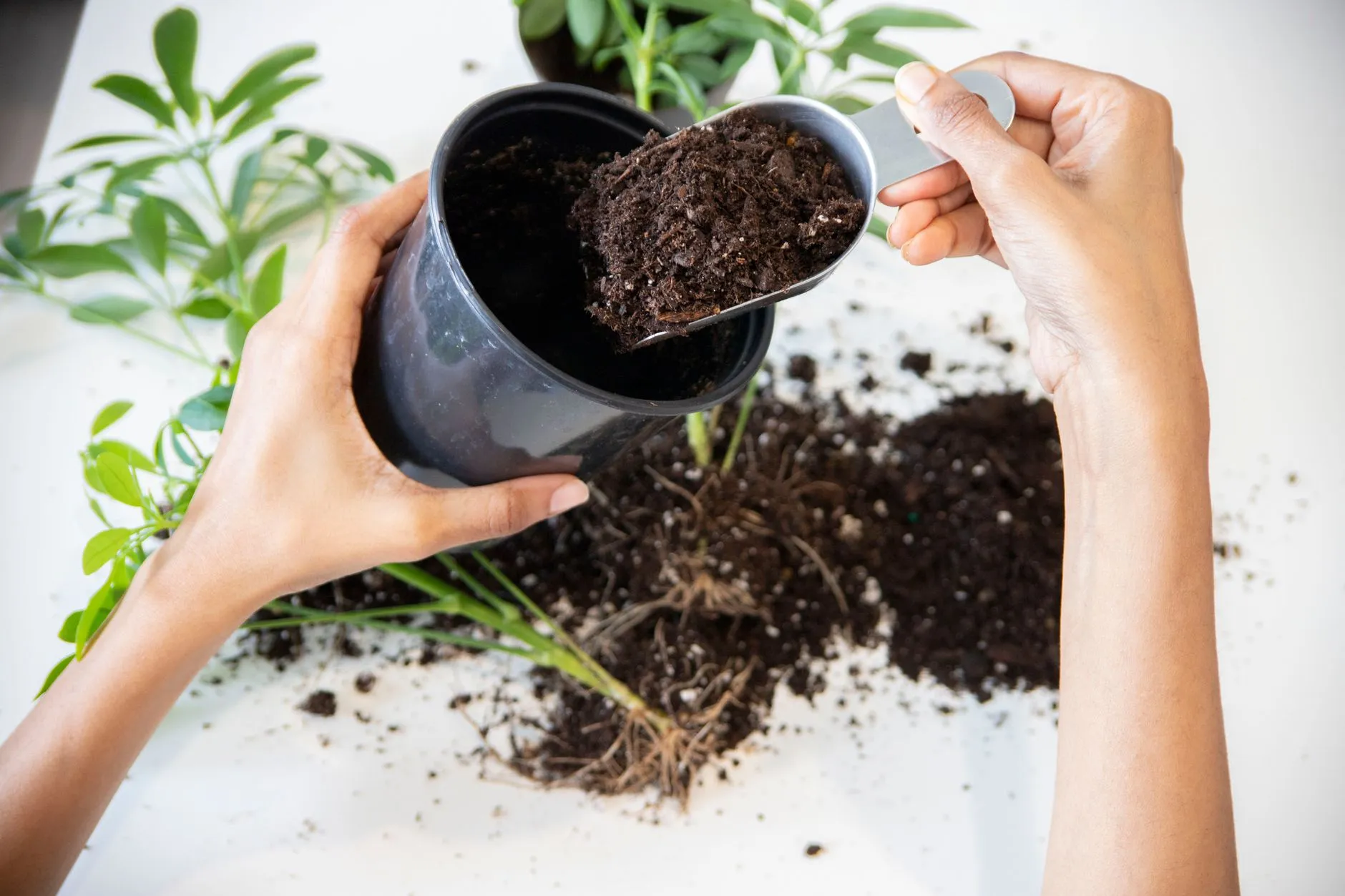
For amaryllis: a bulb (look for one that’s firm with no soft spots — a larger, “top-size” bulb around 26-28 cm in circumference will usually throw two flower stalks instead of one), a pot just 1-2 inches wider in diameter than the bulb with a drainage hole, and a well-draining potting mix — a standard potting soil cut with perlite works fine. A too-large pot holds excess moisture around the roots and raises the odds of rot.
For paperwhites: a shallow, waterproof container with no drainage hole (a glass bowl, a low dish, a decorative bulb vase), and 2-3 inches of pebbles, aquarium gravel, or glass marbles to anchor the roots — or, if you’d rather grow them in soil instead, a well-draining potting mix and a pot with drainage. Either method needs a sunny-enough spot and, later, a bamboo skewer or two per pot for staking.
Forcing an Amaryllis Bulb, Step by Step
- Soak the roots, not the bulb, for 2-3 hours in lukewarm water if they look dry or shriveled. This rehydrates the root system before it has to start absorbing from soil, which gets growth moving faster.
- Fill the pot about a third full with potting mix, then set the bulb on top so the roots spread down into it.
- Backfill around the roots, leaving the top third to half of the bulb exposed above the soil line. Covering the whole bulb traps moisture against the neck, which is the single most common cause of amaryllis bulb rot.
- Water once at planting, then hold off until you see a shoot (usually 1-2 weeks). Watering heavily before roots are established just sits in the pot and invites rot — the bulb doesn’t need it yet.
- Place the pot somewhere bright with temperatures around 68-70°F, and turn it a quarter turn every couple of days once the stalk starts climbing. Amaryllis stalks grow toward the light source fast, and without rotation they’ll lean hard enough to need staking even in good light.
- Once the flower stalk is up and buds are forming, water whenever the top inch of soil is dry. The bulb’s water needs jump once it’s actively pushing a stalk and buds, and this is also the point to stake tall stalks with a skewer before the weight of the open flowers pulls them over — not after.
Forcing Paperwhites in Water or Soil, Step by Step
- Set the pebble layer in your container, then nestle the bulbs pointed-end up, root-end down, packed close together but not quite touching. Forcing several bulbs tightly in one shallow dish gives a fuller, more dramatic display than spacing them out.
- Add water until it just touches the base of the bulbs — not higher. Submerging the bulb itself in standing water is what causes rot; the roots should grow down to reach the water, not sit in it.
- Keep the container somewhere cool and dim, around 60-65°F, for the first 1-2 weeks, then move it to bright light once you see roots and a shoot an inch or two tall. Skipping the cool start is the main reason paperwhites end up pale, overly tall, and prone to flopping — a slower start builds a sturdier root system before the top growth takes off.
- Once shoots reach about 2 inches, swap plain water for a dilute alcohol solution — roughly 1 part 40-proof liquor (vodka or gin) to 7 parts water, replacing the water in the dish from then on. This is a well-documented trick from bulb-forcing research: the mild alcohol content slows stem elongation without affecting flower size, so you get shorter, sturdier stalks that are far less likely to topple. Skip beer or wine, which carry sugars that encourage mold in the dish.
- Check water level every few days and top off as needed, always keeping it just below the bulb base.
Staggering Bulbs So Blooms Last Through the Holidays
A single pot of anything blooms for roughly 1-3 weeks, which means one planting date gives you one window of color. If you want flowers from Thanksgiving through New Year’s, stagger your starts instead of potting everything at once.
For paperwhites, since they only take 3-5 weeks, start a new small dish every 10-14 days from mid-November into mid-December — by the time one batch fades, the next is opening. For amaryllis, the long runway makes this harder to stretch across the whole season from a single order, but potting two or three bulbs a week or two apart still buys you a longer run of blooms than planting them all on the same day, and it spreads out the bulbs’ individual variation in bloom speed so you’re not left with a single all-at-once display and three bare weeks on either side of it.
Common Problems and How to Fix Them
| Problem | Likely cause | Fix |
|---|---|---|
| Amaryllis stalk leans or flops | Low light, or the pot wasn’t rotated | Move to brighter light and stake now; rotate future pots every few days |
| Bulb feels soft or mushy | Planted too deep, or watered before roots formed | Unpot, trim any soft/brown tissue, replant higher, let soil dry out between waterings |
| Paperwhites grow tall and fall over fast | Started in warm bright light instead of a cool, dim spot; no stunting solution used | Start future batches cool and dim for the first week; switch to the dilute alcohol solution once shoots show |
| No growth after 3+ weeks | Bulb was damaged, undersized, or kept too cold | Check firmness — discard anything soft; move the pot somewhere closer to 68-70°F |
| Amaryllis produces leaves but no flower stalk | Bulb was too small/immature, or planted so deep it buried the growth tip | Choose a larger, top-size bulb next time; make sure the tip stays above the soil line |
| Flowers open small or pale | Not enough light during stalk growth | Move to the brightest spot available as soon as the stalk appears, not just once buds form |
A Safety Note for Pets and Kids
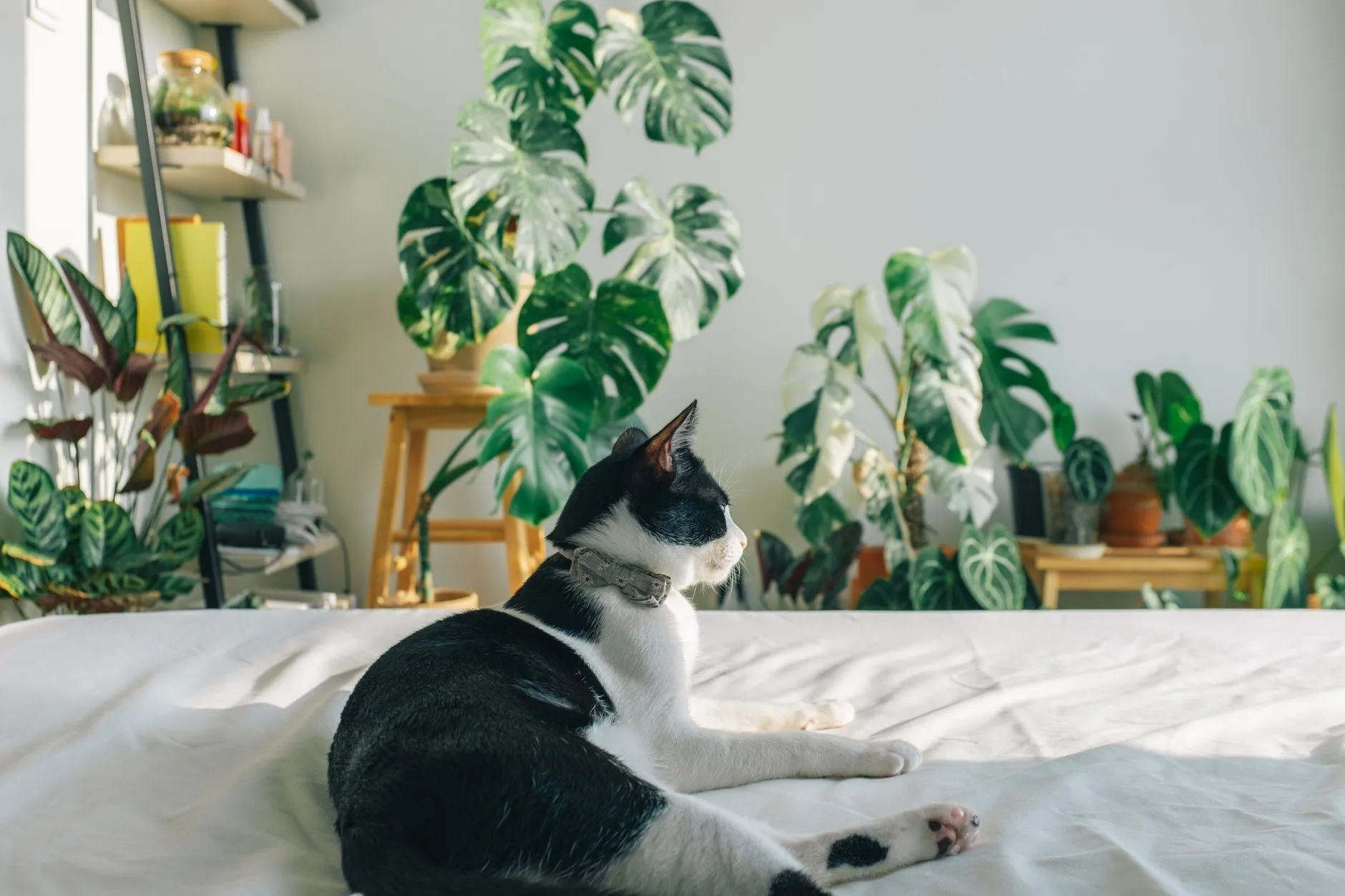
Both amaryllis and paperwhite bulbs contain lycorine and other compounds that are toxic if chewed, and the bulb itself is the most concentrated part — more so than the leaves or flowers. Keep forced bulbs off low tables a cat can reach or a toddler can grab, and dispose of spent bulbs in a sealed bag rather than the compost bin if pets have access to it. If you’re choosing holiday plants specifically because you have curious pets, it’s worth picking from plants confirmed non-toxic to cats and dogs rather than working around a toxic one.
After the Bloom: Keep, Replant, or Compost
Paperwhites put everything they have into that one forced bloom and don’t reliably store enough energy afterward to flower again indoors — once the blooms fade, it’s reasonable to just compost the bulbs rather than try to carry them over.
Amaryllis is different: cut the spent flower stalk down near the bulb once it’s done, but leave the strappy leaves alone — they’re busy photosynthesizing and recharging the bulb for next year. Treat it like an ordinary houseplant through spring and summer, giving it bright light and the kind of routine feeding schedule you’d use for any houseplant to rebuild its reserves, then let it rest dry and dormant for 8-10 weeks in early fall before starting the whole forcing process over again for next year’s holidays.
FAQ
Can I start forcing bulbs later than the timelines here?
Yes, but expect blooms after your target date. If you’re short on time, paperwhites are the safer bet since their 3-5 week window leaves more room to still land near a mid-December or New Year’s date even started a bit late; a late-started amaryllis is more likely to bloom in January.
Why did my amaryllis bulb grow only leaves and no flower stalk?
This usually traces back to bulb size — smaller bulbs sometimes only have the energy reserves for leaf growth their first season — or to planting depth burying the growth tip. It can also happen if the bulb was allowed to flower and wasn’t given a proper dry dormancy period the year before, which leaves it under-recharged.
Do forced bulbs need fertilizer to bloom?
No, not for the first bloom — everything needed for that flower is already stored inside the bulb. Fertilizer only matters afterward, if you’re trying to recharge an amaryllis bulb for next year.
My indoor air is really dry from the heat — does that affect forced bulbs?
It can, especially for paperwhites, which can dry out and shorten their bloom window in very dry, overheated rooms. The same dry winter air that stresses other houseplants will shorten a forced bulb’s display too, so keep pots away from heating vents and radiators. If a bulb ever feels mushy rather than just wilted, that’s a different problem — check it the way you’d check any houseplant for root rot, since the same overwatering-and-poor-drainage causes apply. And as days keep shortening into winter, remember forced bulbs need that same hunt for the brightest spot in the house as the rest of your plant collection.