Best Budget Power Tool Combo Kits Compared
Suiep Team
Published August 3, 2026
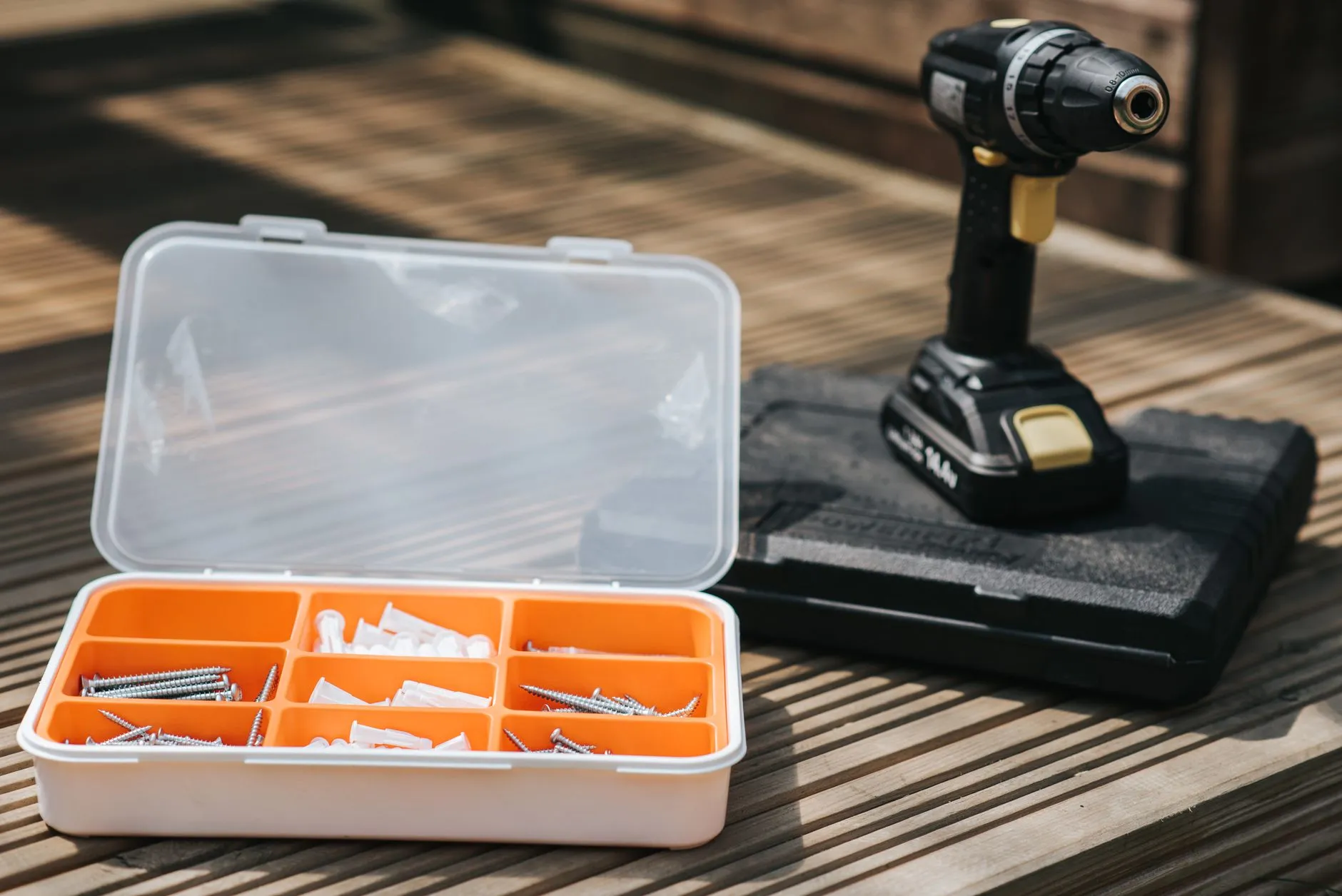
Combo kits bundle several tools on one battery platform at a lower combined price than buying each separately — but only if you’ll actually use most of what’s in the box.
Why Combo Kits Make Sense
The battery and charger are usually the most expensive part of a cordless tool. A combo kit spreads that cost across 3-6 tools instead of one, which is why a drill-only purchase often costs nearly as much per-tool as a 4-piece kit. Once you own a battery platform, every additional bare tool (a tool sold without its own battery) tends to cost noticeably less than the same tool bought standalone with a battery included, since you’re only paying for the motor and housing. That’s the real long-term value of committing to a combo kit: it’s not just the upfront bundle discount, it’s cheaper expansion later.
It also simplifies charging and storage. Instead of juggling different battery shapes, voltages, and chargers for a drill from one brand and a saw from another, everything in a combo kit shares the same batteries and the same charging dock. That matters more than it sounds like on a busy project weekend, when you don’t want to be hunting for the one charger that fits.
What to Check Before Buying
- Which tools are actually included — kits vary widely; some bundle a drill, impact driver, and light, others add a reciprocating saw or circular saw. Read the box contents line by line rather than assuming based on the kit’s name.
- Battery amp-hours (Ah) — higher Ah means longer runtime per charge. Entry kits often ship with smaller batteries (1.5-2.0Ah) that you may want to upgrade later. If the listing doesn’t specify Ah, treat that as a yellow flag and look it up before buying.
- Brushless vs. brushed motors — brushless costs more but runs cooler, lasts longer under regular use, and typically delivers more power per charge. For occasional use, a brushed motor is still perfectly fine and shouldn’t be a dealbreaker at a lower price point.
- Battery platform compatibility — if you already own tools from a brand, check that a new kit’s batteries are cross-compatible with your existing ones. Voltage labeling can be inconsistent between product lines from the same manufacturer, so confirm compatibility rather than assuming from the number on the box.
- Number of batteries included — two batteries is the practical minimum so one can charge while the other is in use. A kit with only one battery effectively pauses your project every time it runs down.
What’s Actually in the Box
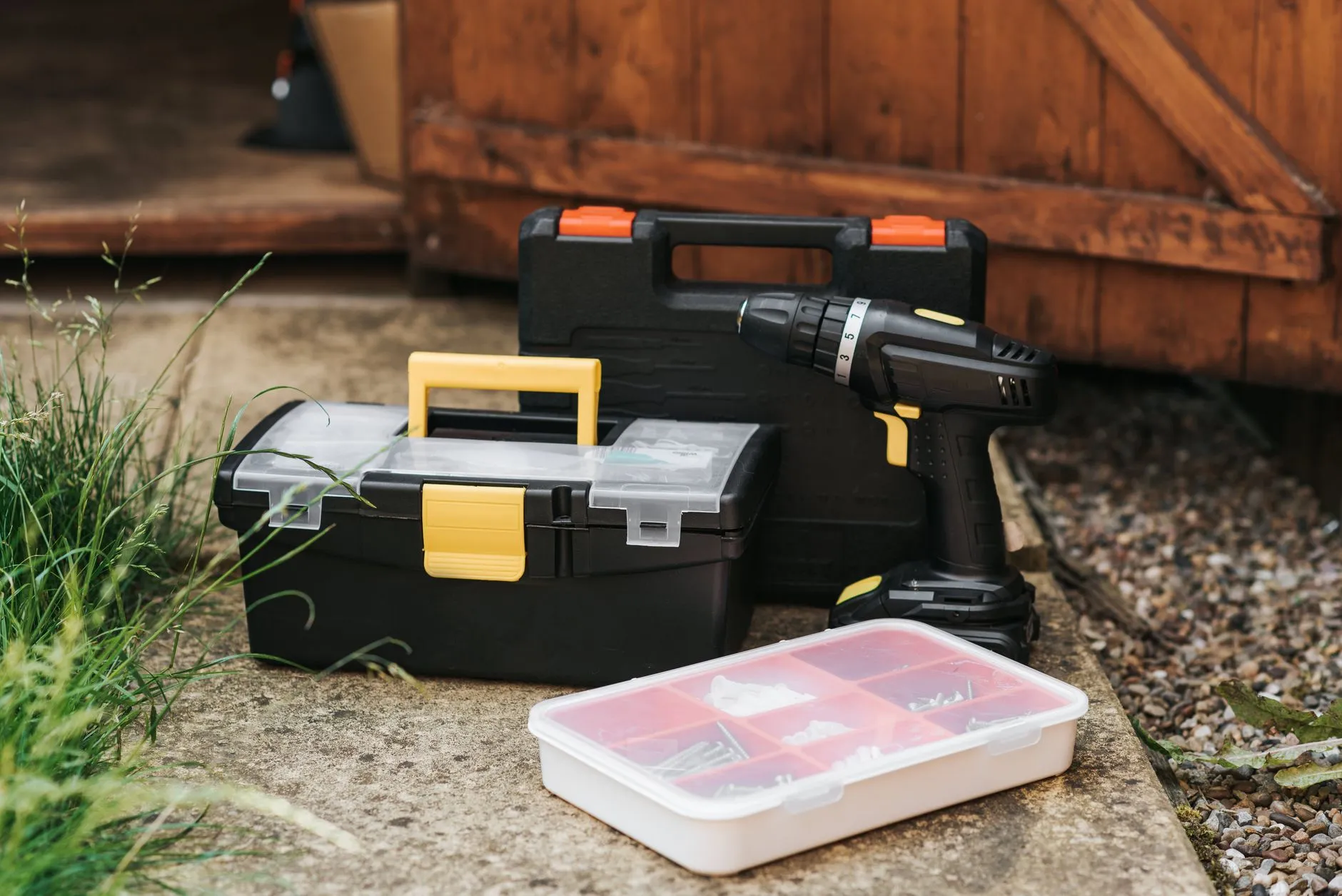
Most beginner-friendly kits include a drill/driver, impact driver, two batteries, a charger, and a carrying case or bag. Mid-tier kits add a circular saw or reciprocating saw; higher-end kits sometimes include an oscillating multi-tool or work light. Pay attention to whether accessories like drill bits, driver bits, or a saw blade are included — some budget kits ship with bare tools and expect you to buy consumables separately, which changes the real total cost.
The case itself is worth a look too. A molded case with cutouts for each tool keeps everything organized and protects the tools in a truck bed or garage shelf, while a simple soft bag offers less protection but takes up less space. Neither is objectively better — it depends on how and where you’ll be storing the kit.
Common Mistakes When Buying a Combo Kit
A frequent misstep is buying into a battery platform based on the kit price alone, without checking what future tools on that platform cost or how widely available they are locally. If a brand’s individual bare tools are hard to find or expensive where you shop, you’ll pay for that later even if the starter kit itself was a bargain.
Another common mistake is overbuying. A 6-tool kit looks like a better deal per tool than a 3-tool kit, but if you’ll only ever reach for the drill and the impact driver, the extra tools are dead weight taking up shelf space — and you paid for the privilege. Match the kit size to projects you actually do, not projects you might someday do.
Finally, don’t ignore warranty terms in the excitement of a sale price. Some manufacturers extend the standard warranty if you register the tools within a set window after purchase, which costs nothing but a few minutes and can matter if a battery or motor fails down the line.
Storage and Maintenance
Cordless tool batteries degrade faster when stored fully depleted or left on the charger indefinitely after they’re topped up. Where possible, store batteries at a partial charge if you won’t be using the tools for an extended stretch, and keep them somewhere temperature-stable rather than a hot garage or a freezing shed, since extreme temperatures shorten battery lifespan.
Wipe down tools after dusty or wet work, and check chuck jaws and driver bits periodically for debris buildup — a gritty chuck is a common reason a drill starts slipping on bits well before the motor itself has any real wear.
Our Recommendation
For most homeowners starting out, a 4-piece kit (drill, impact driver, two batteries, charger) hits the sweet spot — enough capability for real projects without paying for specialty tools you’ll rarely touch. If you already know a bigger renovation or an outdoor project is coming up, it’s worth stepping up to a kit that includes a circular saw or reciprocating saw from the start, since adding that tool later as a bare-tool purchase will cost close to what the upgraded kit would have.