Impact Driver vs. Drill: What's the Difference (and Which One Do You Need)?
Suiep Team
Published August 27, 2026
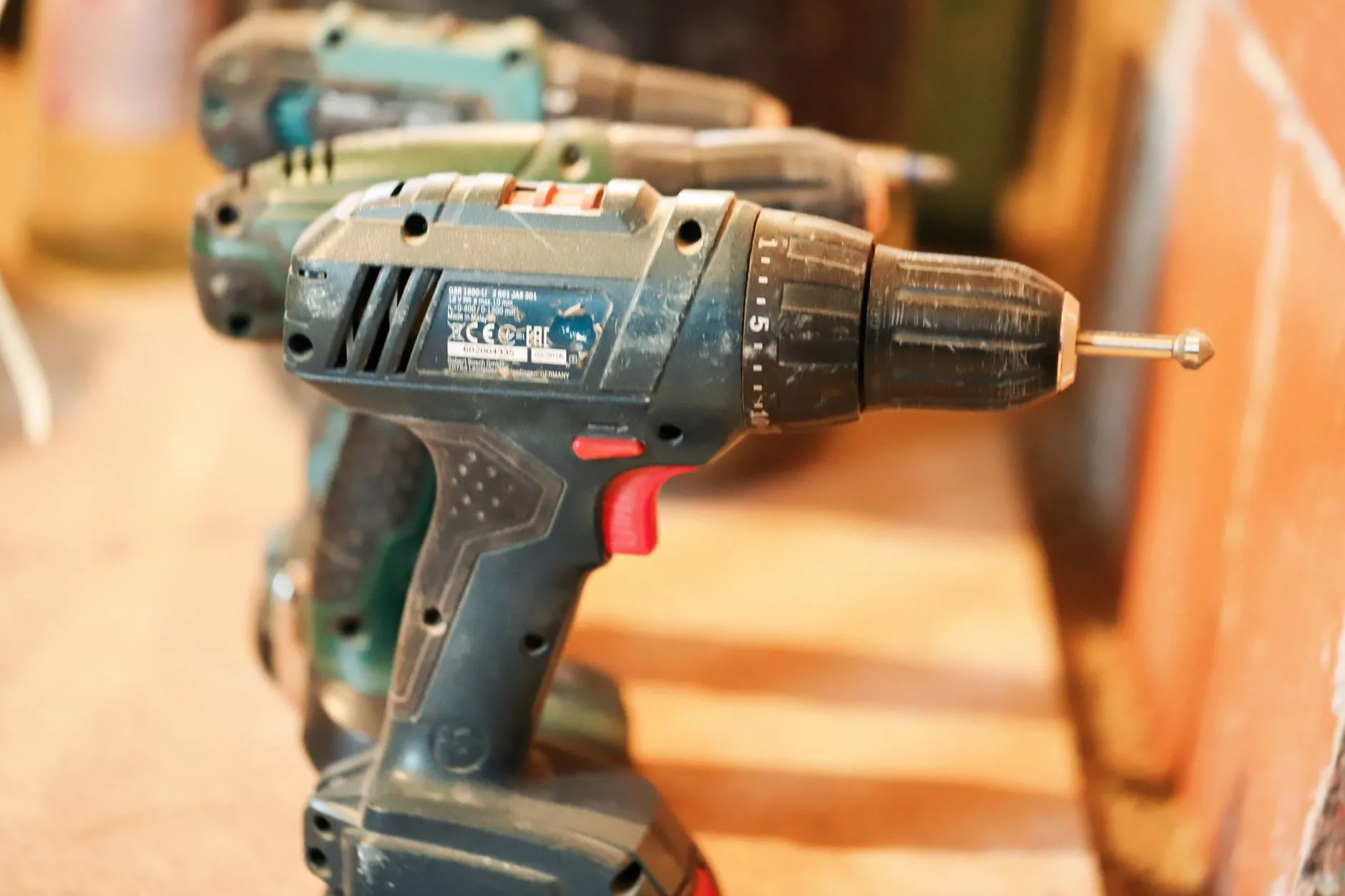
At a glance, an impact driver and a drill/driver look almost identical, and plenty of first-time buyers assume they do the same job. They don’t — and understanding the difference saves you from stripped screws, snapped bits, or just buying a tool you didn’t actually need.
How a Drill Works
A drill applies steady rotational force. Turn up the torque or squeeze the trigger harder, and it spins with more force, smoothly and continuously. This makes it precise and controllable — ideal for drilling clean holes and driving small to medium screws where control matters more than raw power. Most drills also include an adjustable clutch, which limits torque at a preset level and slips before overdriving a screw or stripping its head — a feature impact drivers generally lack.
How an Impact Driver Works
An impact driver also spins, but it adds rapid rotational hammer blows (concussive bursts) whenever it senses resistance — hundreds of them per minute. Those bursts deliver much higher torque in short pulses instead of one continuous force. That’s why an impact driver can drive a 3-inch deck screw in seconds without stalling, where a drill would bog down or strip the screw head. This mechanism is also why impact drivers are so much more compact and lighter relative to their torque output than an equivalently powerful drill — the hammering action does more of the work than sheer motor size.
The Sound and Feel Difference
Beyond the mechanical explanation, the two tools are easy to tell apart just by ear and feel once you’ve used both. A drill under load hums or bogs down smoothly, staying quiet until it either finishes the job or stalls out. An impact driver makes a distinctive rattling, machine-gun-like sound the moment it starts encountering resistance, since that sound is literally the hammer mechanism engaging. That noise can be startling the first time you hear it, but it’s completely normal — it’s the tool doing exactly what it’s designed to do, not a sign anything is wrong.
Where a Drill Wins
- Drilling precise, clean holes (wood, metal, masonry with the right bit)
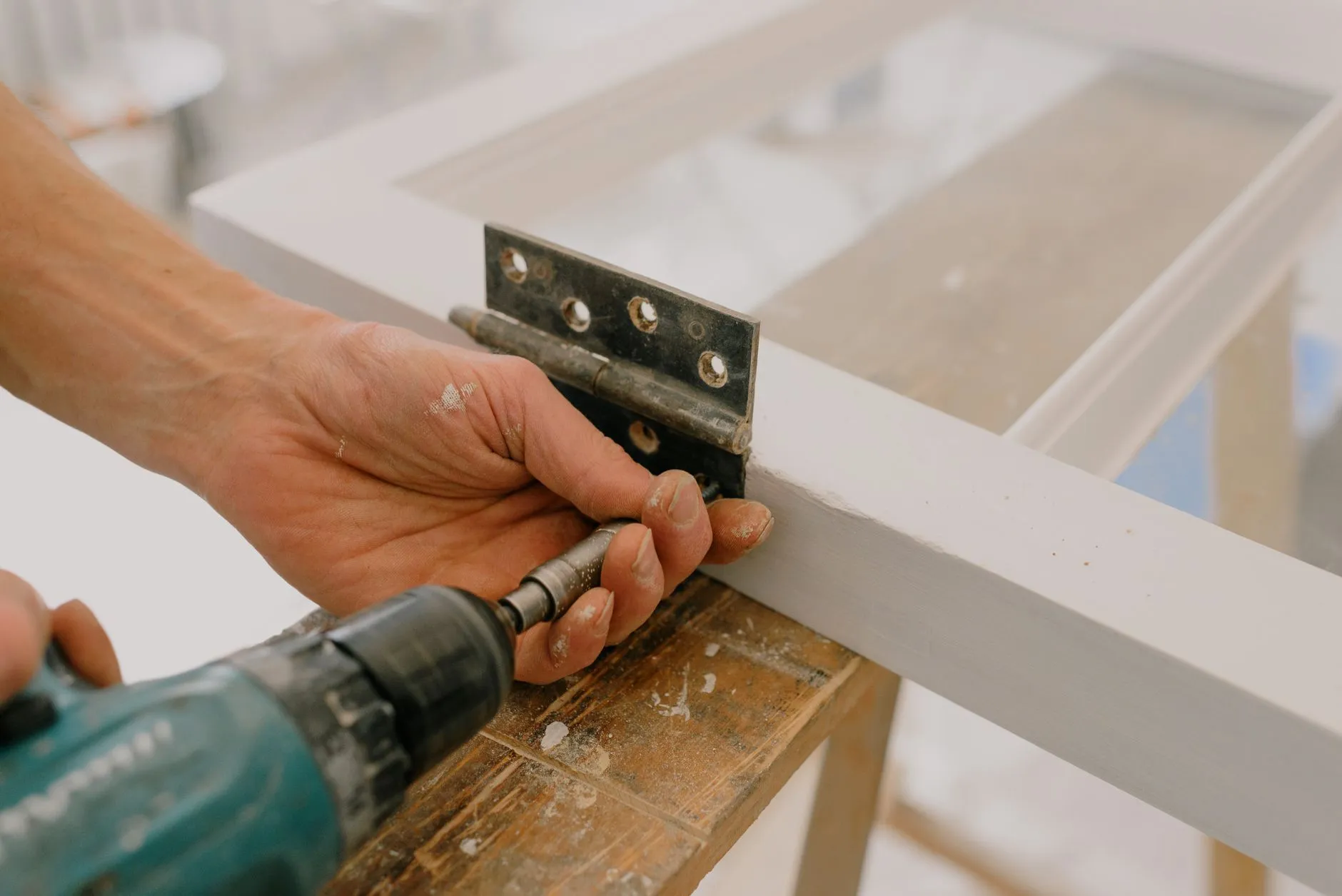
- Driving small screws where control matters (cabinet hardware, small hinges)
- Tasks where you need consistent, predictable torque rather than bursts of power
- Delicate materials where an impact driver’s sudden bursts risk cracking or splitting, like thin trim or some hardwoods
Where an Impact Driver Wins
- Driving long or large screws (deck screws, lag screws, structural fasteners)
- Repetitive fastening tasks like framing, decking, or fence building
- Removing stubborn, rusted, or over-tightened screws the driver’s bursts can often break loose
- Driving screws at an angle or into dense material, where a drill’s steady torque is more likely to cam out of the screw head under strain

Bit Compatibility Is Different Too
Impact drivers use a 1/4” hex quick-release chuck rather than a keyless drill chuck, which means they only accept hex-shank bits — standard round-shank drill bits generally won’t fit without an adapter. Impact-rated bits are also worth seeking out specifically, since standard driver bits can shatter or wear out quickly under the repeated hammering action an impact driver produces; impact-rated bits are hardened differently to withstand that stress over the long run.
Can One Tool Replace the Other?
Not cleanly. Impact drivers can drill in a pinch with the right bit, but they lack a drill’s smooth, controllable torque for precision holes — you’re more likely to blow through the back of a board or strip a small screw head. Drills, meanwhile, will genuinely struggle with long fasteners or dense material, sometimes stalling out entirely or stripping the screw before it’s fully seated.
Do You Need Both?
If you only do occasional light tasks — hanging shelves, assembling furniture, small repairs — a drill/driver alone covers most of it. Once you start tackling anything with longer screws (decking, fencing, framing), an impact driver earns its keep fast. Many combo kits bundle both for a reason: they genuinely cover different jobs rather than duplicating each other. Buying both on the same battery platform from the start is also usually cheaper than buying a drill now and an impact driver as an afterthought later, since a combo kit’s bundled price is typically lower than the sum of two separate individual purchases.
Our Recommendation
For a first tool, a drill/driver is the more versatile single purchase. If you’re already planning outdoor or structural projects — a deck, a fence, framing — add an impact driver from the start rather than fighting through them with a drill alone. Once you own both, you’ll likely find yourself reaching for the impact driver more often than expected once you’re used to how much faster it handles anything beyond a handful of small screws.