How to Fix a Running Toilet in 15 Minutes
Suiep Team
Published July 13, 2026
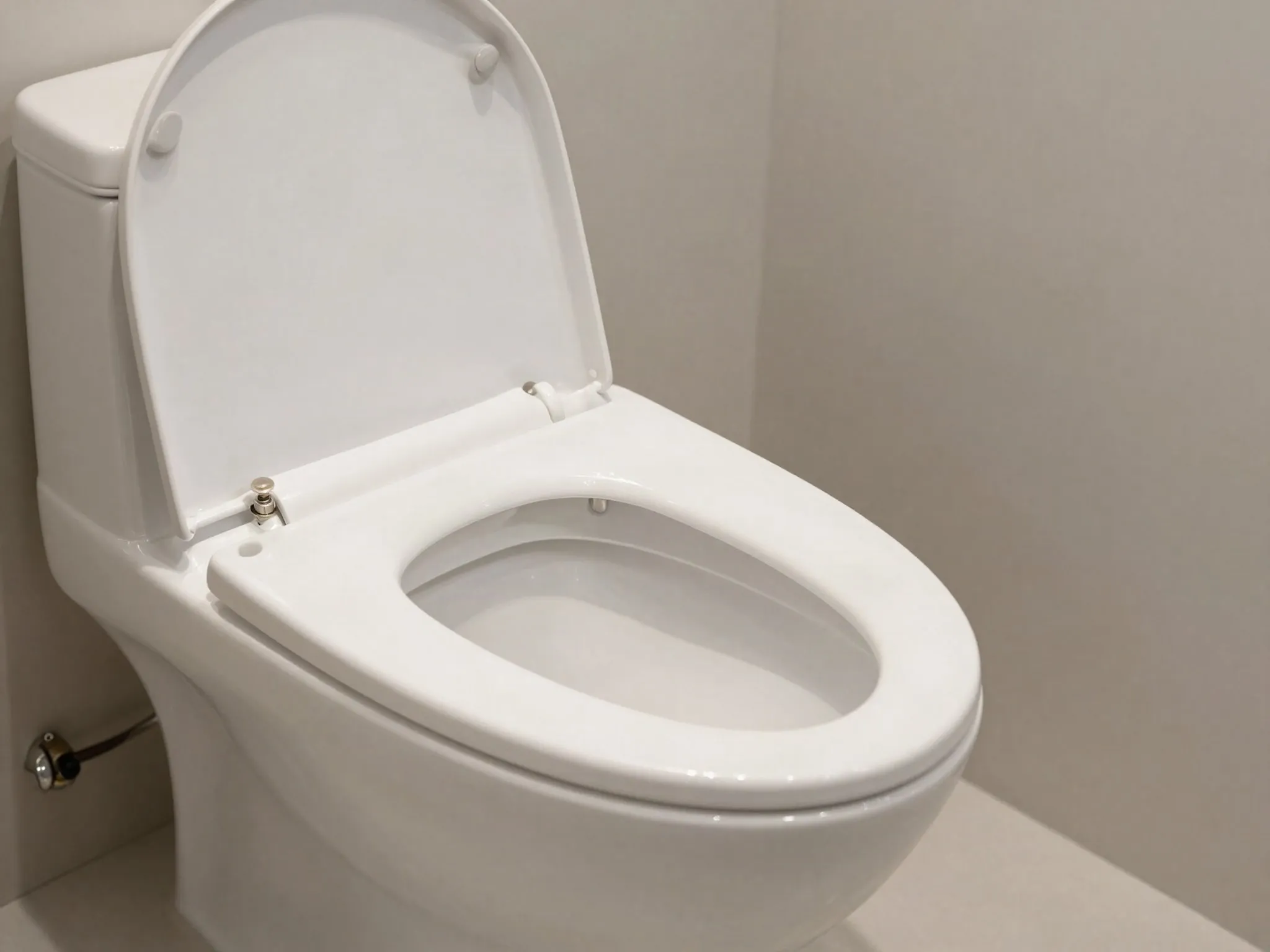
A running toilet isn’t just annoying — it can waste hundreds of gallons of water a day. The good news is that almost every case comes down to one of three cheap, easy-to-replace parts inside the tank.
What You’ll Need
- No tools for basic adjustments
- A replacement flapper or fill valve (a few dollars at any hardware store) if adjustment doesn’t fix it
- A towel (tanks hold more water than you’d expect)
- Adjustable pliers or a small wrench, in case a supply line connection is stiff
- A sponge or small cup for bailing out remaining tank water before a parts swap
Why This Is Worth Fixing Right Away
Beyond the noise, a running toilet is one of the more expensive small problems a home can have, since it runs continuously rather than using water only when actively flushed. A leak that’s constant but not dramatic enough to notice by ear can still add real cost to a water bill over weeks or months, which is part of why it’s worth doing this quick diagnostic even if the toilet only seems to run occasionally rather than constantly.
Step 1: Open the Tank and Look
Remove the tank lid and set it somewhere safe — ceramic lids chip easily on hard bathroom flooring, so set it on a towel rather than directly on tile. Flush the toilet and watch what happens inside the tank — this tells you which of the three usual suspects is the problem. Watching a full flush cycle from start to finish, rather than just glancing in after the fact, makes it much easier to spot exactly where the water is going wrong.
Cause 1: The Flapper Isn’t Sealing
The flapper is the rubber piece at the bottom of the tank that lifts to release water on flush, then should drop and seal. If it’s warped, cracked, or not sitting flat, water leaks continuously into the bowl. Check the chain connecting it to the flush handle — if it’s too short, the flapper can’t fully close; if too long, it can get pinched under the flapper itself. A simple test for a suspected bad flapper: add a few drops of food coloring to the tank water and wait 10-15 minutes without flushing. If color shows up in the bowl, the flapper is leaking, confirmed without any guesswork.
Flapper material also degrades over time from constant water and chemical contact, especially with in-tank cleaning tablets, which are notorious for accelerating flapper wear. If your toilet has been running intermittently for months and you’ve been using drop-in tank cleaners, that’s a reasonable first suspect even before checking anything else.
Cause 2: The Fill Valve Float Is Set Too High
If the float (either a ball on an arm or a cylinder around the fill valve) is set too high, water keeps filling past the overflow tube and continuously drains out through it into the bowl, which can sound very similar to a bad flapper if you’re not watching directly.
Most fill valves have a clip or screw to lower the float — adjust it so the water level sits about 1 inch below the top of the overflow tube. Make small adjustments and flush to test after each one rather than guessing at a final setting all at once; float adjustments are more sensitive than they look, and a quarter turn of an adjustment screw can shift the water line more than expected.
Cause 3: The Fill Valve Itself Is Worn Out
If adjusting the float doesn’t stop the running, the fill valve’s internal seal may simply be worn out. These are inexpensive to replace: shut off the water supply valve behind the toilet, drain the tank, unscrew the old valve, and install a new one following the packaging instructions — most are a straightforward twist-and-connect design. Bring the old valve (or note its brand and model if visible) to the hardware store if you’re unsure which replacement to buy; while most modern fill valves are designed to be broadly compatible, tank shapes and connection points vary enough that it’s worth double-checking before you buy.
A Fourth, Less Common Cause
Occasionally the problem isn’t the flapper or the fill valve but the overflow tube itself — if it’s cracked or set at the wrong height, water can drain into it even with a perfectly good flapper and float. This is much less common than the first two causes, but if you’ve replaced both the flapper and the fill valve and the toilet is still running, it’s worth inspecting the overflow tube for visible damage or a height that sits lower than it should relative to the fill valve.
When You’re Done
Turn the water back on, flush once, and listen for a full minute after the tank refills. If it’s silent, you’ve fixed it — if you still hear a faint hiss, double-check the flapper seal and float height before assuming you need a second replacement part. It’s worth checking again the next morning, too, since some intermittent leaks are easier to catch in a quiet house than immediately after you’ve just been working on the tank.
When to Call a Plumber Instead
Most running toilet issues are genuinely DIY-friendly, but if you’ve replaced both the flapper and fill valve and the toilet still runs, or if you notice water pooling around the base of the toilet rather than just inside the tank, it’s worth calling a plumber. A leak at the base can point to a failing wax ring seal or a cracked tank, both of which are more involved repairs than swapping an internal tank part.