How to Get Your Furnace Ready for Winter: A DIY Maintenance Checklist
Suiep Team
Published September 18, 2026
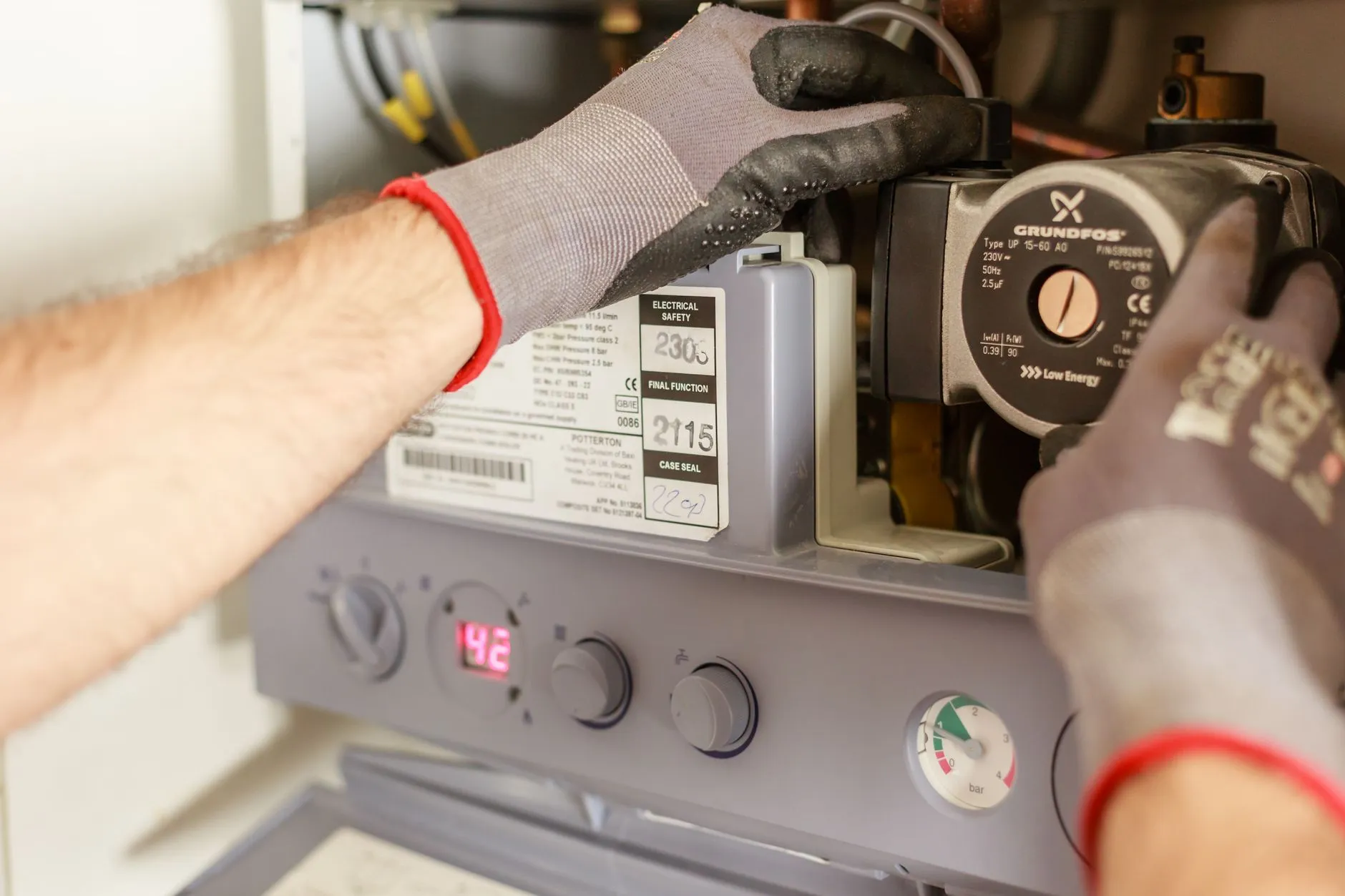
Most furnaces sit idle for five or six months a year, and the first cold snap is exactly the wrong time to find out something went wrong while it was off. A furnace that hasn’t run since spring has had a season to collect dust in the filter, let debris settle in the vents, and develop a smell or a rattle nobody noticed because nobody was listening for it. None of the checks below require an HVAC license — they’re the same handful of things a technician looks at first on a routine tune-up call, and doing them yourself before the season starts catches the easy problems before they turn into a no-heat call in January.
Start With the Filter
A dirty filter is the single most common cause of furnace problems, and it’s also the easiest to fix. A filter clogged with a season’s worth of dust forces the blower motor to work harder to pull air through it, which drives up energy use and can cause the system to overheat and shut itself off on a safety switch. Pull the filter out and hold it up to a light — if you can’t see light through it, it’s overdue. Standard 1-inch filters are worth changing every one to three months during heavy use, not just once at the start of the season, so this is also a good moment to buy a few spares and set a reminder rather than treating it as a one-time task.
Clear the Area Around the Unit
Furnaces need airflow on all sides to run safely and efficiently, and a summer of storage tends to encroach on that space without anyone deciding it should. Walk the area around the furnace and clear away boxes, paint cans, and anything flammable that’s crept within a couple of feet of the cabinet. This matters more than it sounds like it should — a furnace closet used for overflow storage is a genuine fire risk once the burner is running for hours a day, not just an inconvenience for a technician who needs to service it later.
Check and Clear the Supply and Return Vents
Walk the house and make sure every supply vent and return grille is open and unobstructed by furniture, rugs, or curtains. It’s common for a vent to get blocked off room by room over the summer without anyone noticing, since the air stops moving through it and there’s no immediate consequence. A blocked return is the more serious problem of the two — it starves the system of the air it needs to pull in, which can strain the blower and unbalance airflow throughout the house — but a few closed supply vents add up the same way. Closing vents in unused rooms to “save energy” is a common instinct that usually backfires, since it just pushes more pressure and air noise through the rest of the system instead of actually reducing how hard the furnace runs.
Test the Thermostat Before You Need It
Turn the thermostat to heat mode and set it a few degrees above room temperature to confirm the furnace actually kicks on, runs through a full cycle, and produces warm air at the vents within a few minutes. This is also the right time to replace thermostat batteries if it’s a battery-powered model, since a dead thermostat battery in the middle of a cold snap is an entirely avoidable inconvenience. If you’ve been meaning to switch to a programmable or smart thermostat, early fall — before you’re relying on the system daily — is the easiest window to do it, since any setup issues show up while the stakes are still low.
Listen and Look for Warning Signs
Once the furnace has run through a full cycle, pay attention to what it sounded and smelled like. A faint dusty smell in the first few minutes of the season’s first run is normal — that’s just dust burning off the heat exchanger and it clears on its own. A smell that lingers past the first cycle, a burning-plastic odor, or any hint of a gas smell is not normal and should be treated as a reason to shut the system off and call a professional rather than something to monitor. The same goes for sounds: a brief startup rattle is common, but banging, grinding, or a repeated clicking that doesn’t resolve into normal operation is worth having looked at before you’re relying on the system every day.
Test Your Carbon Monoxide and Smoke Detectors
A furnace is a combustion appliance, and the start of heating season is the single best-timed reminder of the year to test every smoke and carbon monoxide detector in the house. Press the test button on each unit, and if any detector is more than seven to ten years old or the battery has been chirping intermittently, replace the whole unit rather than just the battery — the sensors themselves degrade over time regardless of how fresh the battery is. This takes ten minutes and costs nothing if the detectors are already working, and it’s the cheapest insurance available against the actual worst-case failure of a heating system.
Know When to Call a Professional
The checks above cover what a homeowner can reasonably handle safely, but they’re not a substitute for a professional tune-up, particularly if your furnace is more than a few years old or you noticed anything unusual during your own inspection. A technician can measure combustion efficiency, inspect the heat exchanger for cracks that aren’t visible from outside the cabinet, and clean components that aren’t meant to be opened up by a homeowner. Scheduling that visit in early fall, before the peak season backlog hits, also tends to get you a faster appointment and a lower rate than calling in the middle of the first real cold snap when every HVAC company in town is booked solid.