How to Choose the Right Ladder for Home Projects
Suiep Team
Published August 21, 2026

The wrong ladder isn’t just inconvenient — it’s one of the more common causes of home DIY injuries. Here’s how to pick one that actually fits your projects.
Step Ladder vs. Extension Ladder
Step ladders are self-supporting (no wall needed) and best for indoor work, gutter cleaning, and reaching low rooflines. They come in A-frame form and typically top out around 12-16 feet of reach for homeowner models. Their self-supporting design also makes them the better choice for work in open areas without a nearby wall or structure to lean against, like changing a light fixture in the middle of a room.
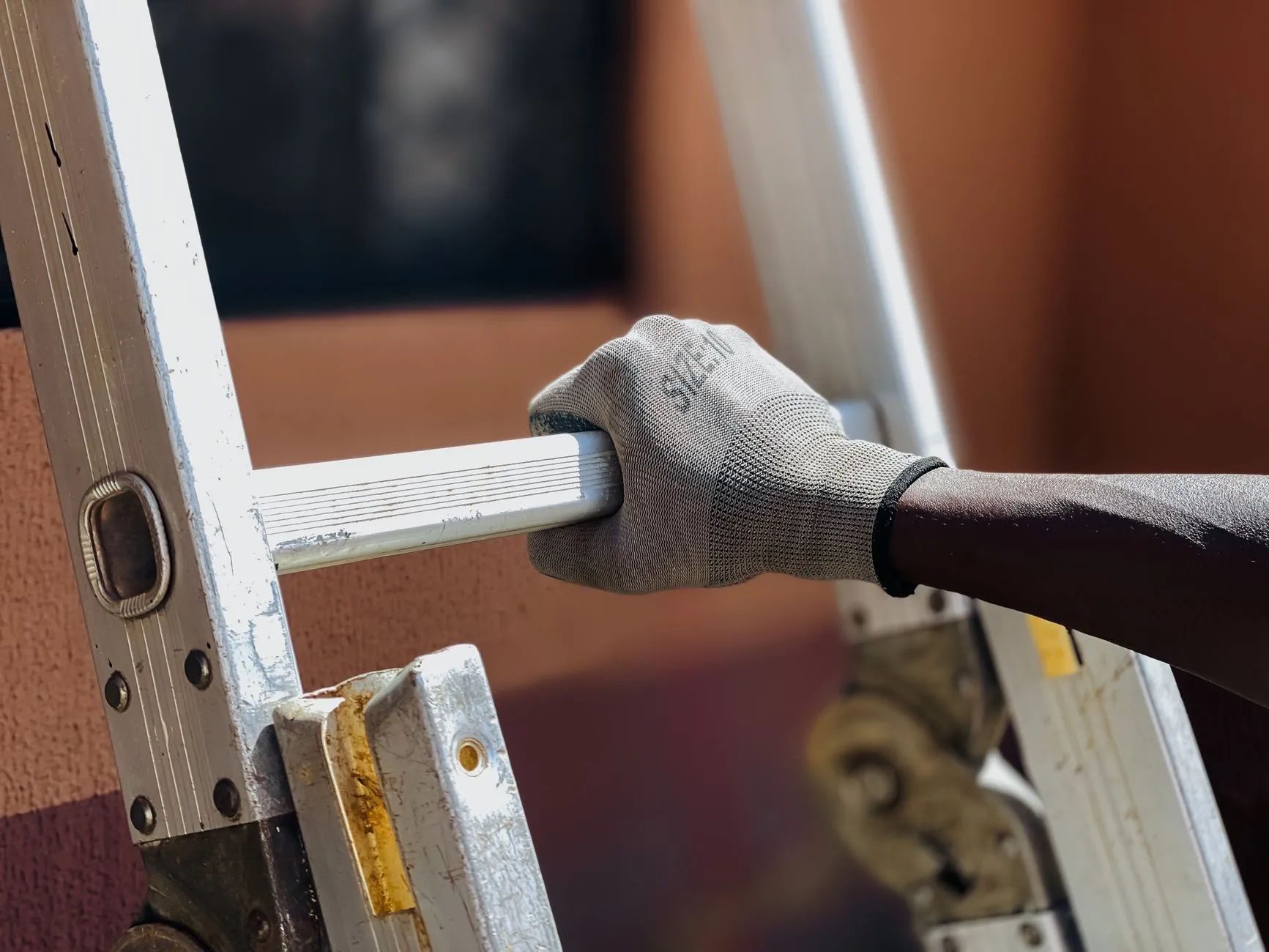
Extension ladders lean against a structure and extend telescopically, making them the right choice for second-story exterior work like roof access or high siding repairs. Because they rely on a wall or structure for support, they need a stable, even surface to rest their base on, which can rule them out on soft ground or uneven landscaping without additional stabilizing feet.
There’s also a middle category worth knowing about: multi-position ladders, which hinge to work as either a step ladder, an extension ladder, or a scaffold base. They cost more than a comparable single-purpose ladder but are a genuinely useful option if storage space is limited and you don’t want to own two separate ladders.
Height: Go One Size Bigger Than You Think
The rule of thumb is you should never stand on the top two rungs of a step ladder or the top three rungs of an extension ladder. If your project needs you at 10 feet, buy a ladder rated for meaningfully more than that, not exactly that height. This trips people up regularly, since a ladder’s labeled height refers to the ladder itself, not the safe standing height or the maximum reach with arms extended above it — factor in your own height and reach when calculating what ladder size you actually need for a given job.
Duty Rating Matters More Than People Expect
Every ladder has a weight rating printed on it — this includes your body weight plus tools and materials you’re carrying up. It’s easy to underestimate this total; a gallon of paint, a five-pound bag of fasteners, and a cordless drill add up faster than expected once you’re totaling everything you’ll realistically be carrying at once.
- Type III (200 lbs): light household use
- Type II (225 lbs): medium duty
- Type I (250 lbs): heavy duty, contractor grade
- Type IA (300 lbs): extra heavy duty
- Type IAA (375 lbs): special duty, typically overkill for most homeowner projects but worth knowing exists
When in doubt, size up — a higher duty rating also usually means a sturdier, less flexible ladder even within your actual weight range. A ladder that flexes noticeably underfoot, even one technically rated for your weight, is less confidence-inspiring to work from and can make precise tasks like painting a trim line or driving a screw harder than they need to be.
Material: Aluminum vs. Fiberglass vs. Wood
Aluminum is lighter and cheaper but conducts electricity — never use it near power lines or electrical work. Fiberglass costs more and weighs more but is non-conductive, making it the safer choice for any project near wiring, and it also tends to hold up better against UV exposure if it’s regularly stored outdoors. Wood ladders are less common today but still show up in older homes and traditional trade use; they’re heavy and require more upkeep (checking for cracks, rot, and loose rungs) than either modern alternative, but some tradespeople still prefer them for their rigidity and feel underfoot.
Where You’ll Store It
Ladder size and material both affect how easily it fits in your garage, shed, or under a deck — a full-length extension ladder needs meaningfully more storage space than a folding step ladder, and it’s worth measuring your intended storage spot before buying rather than discovering a mismatch after the fact. Wall-mounted ladder hooks or a ceiling hoist system in a garage can free up significant floor space if storage is tight, and keeping a ladder off the ground also helps it stay in better condition longer, particularly for wood or lower-grade aluminum models prone to denting.
Inspecting a Ladder Before Each Use
Even a good-quality ladder degrades with wear, weather exposure, and the occasional drop or knock. Before climbing, check that all rungs are secure and undamaged, that any locking mechanisms on an extension ladder engage fully, and that rubber feet are intact rather than cracked or missing — worn feet are a common, underrated cause of a ladder slipping on a slick surface like tile, concrete, or wet grass. Retire a ladder that shows any structural damage like a bent rail or a cracked rung rather than trying to keep using it “carefully.”
Basic Safety Reminders
Always maintain three points of contact while climbing, set extension ladders at the correct angle (about 75 degrees, or roughly 1 foot of base offset for every 4 feet of height), and never lean or overreach to the side — move the ladder instead. Have someone hold or “foot” the base of an extension ladder when possible, especially on a hard, smooth surface where the base is more prone to sliding out. And avoid using any ladder in windy conditions if the project involves working at height for an extended period — a gust that would be a minor annoyance on the ground becomes a real stability risk several feet up.