10 Indoor Plants That Actually Survive Low Light
Suiep Team
Published June 22, 2026
“Low light” doesn’t mean “no light” — every plant needs some, even if it’s just ambient light from a north-facing window. But these ten species tolerate dim corners better than almost anything else you can buy.
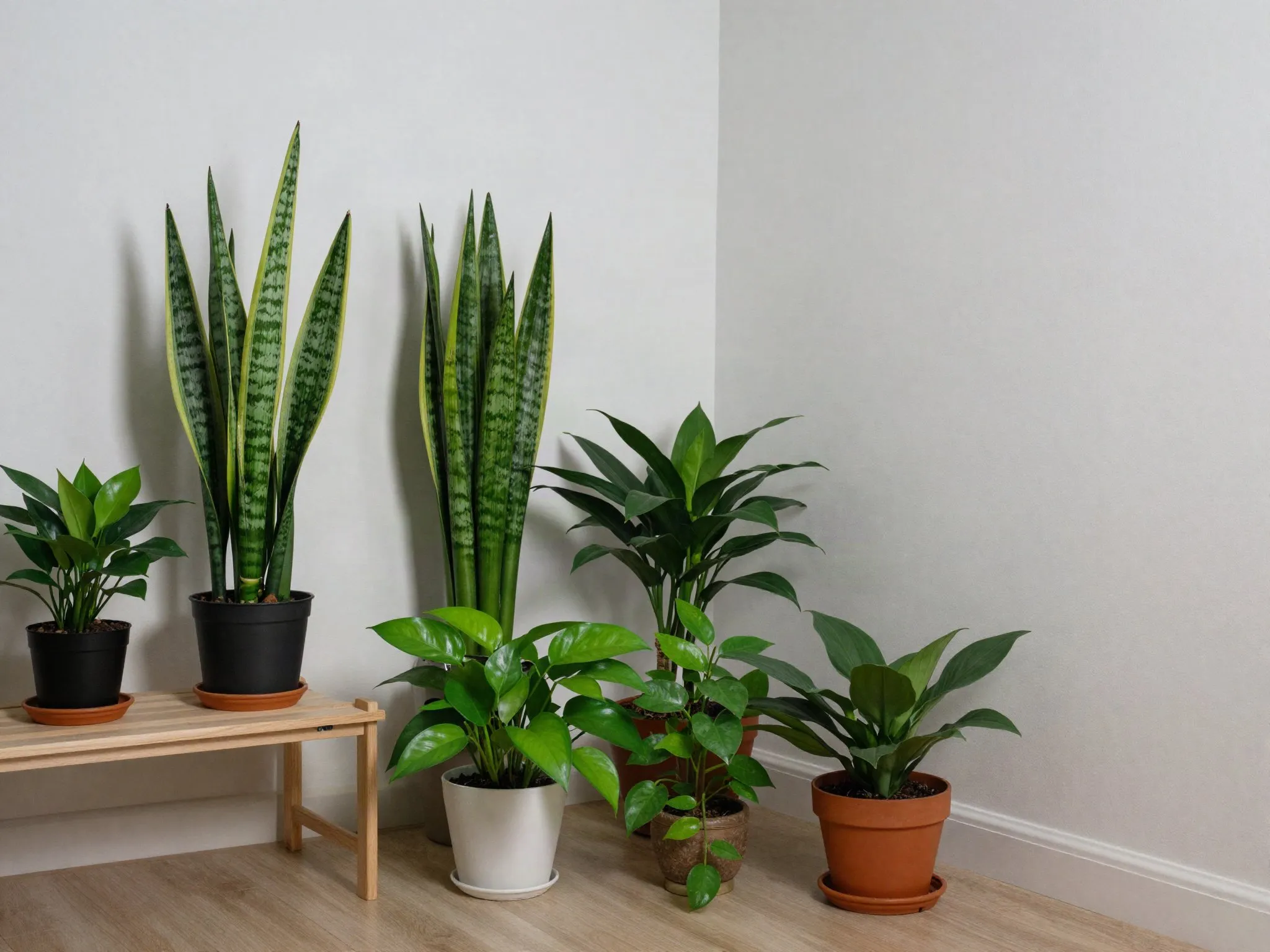
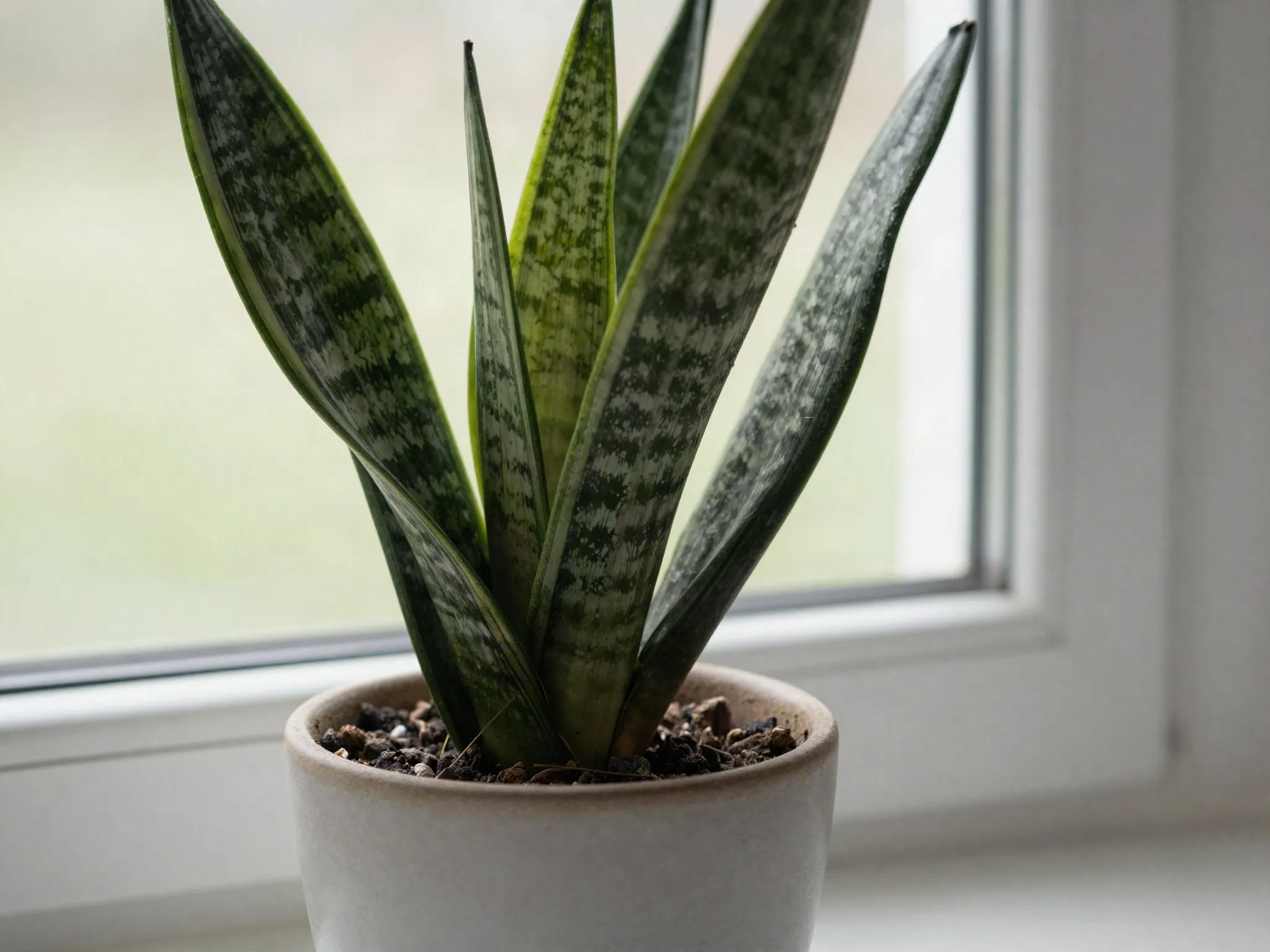
1. Snake Plant (Dracaena trifasciata)
Nearly indestructible. Tolerates low light and irregular watering, and its upright leaves work well in tight spaces like hallways. It’s also one of the slowest-growing plants on this list, so it won’t quickly outgrow a small pot, and it handles the dry air of centrally heated apartments better than most houseplants.
2. ZZ Plant (Zamioculcas zamiifolia)
Stores water in its rhizomes, so it thrives on neglect. Glossy leaves reflect what little light is available, helping it photosynthesize efficiently. If anything, the ZZ plant is more likely to suffer from too much care than too little — overwatering is the main way people accidentally kill one.
3. Pothos (Epipremnum aureum)
A trailing vine that adapts to almost any light condition. Variegated varieties need slightly more light to keep their patterning, but even a plain green pothos will happily trail several feet from a shelf or hanging basket with minimal attention. It roots easily in water too, so a single healthy plant can become several with almost no effort.
4. Cast Iron Plant (Aspidistra elatior)
Literally bred for Victorian parlors with gas lighting. Slow-growing but extremely tolerant of low light and inconsistent care, making it a good match for an office desk or a stairwell that gets almost no natural light at all.
5. Peace Lily (Spathiphyllum)
Tells you when it’s thirsty by drooping dramatically, then perks back up within hours of watering — useful feedback for beginners who aren’t yet confident reading a plant’s more subtle cues. It also produces white blooms even in fairly dim conditions, which is unusual for a low-light plant.
6. Chinese Evergreen (Aglaonema)
Comes in a wide range of leaf patterns, from solid deep green to silvery variegated types, and tolerates both low light and the temperature swings near a drafty window. It’s a slow grower, so repotting is rarely urgent, and it’s one of the more forgiving plants if you occasionally forget to water on schedule.
7. Philodendron (Heartleaf Variety)
Similar in toughness to pothos, with softer, heart-shaped leaves and a slightly faster trailing habit. It adapts well to a hanging basket or a shelf where it can cascade down, and it tells you it needs water through slightly softened leaves well before it looks genuinely distressed.
8. Parlor Palm (Chamaedorea elegans)
A compact palm that actually prefers indirect or low light over direct sun, which makes it an outlier among palms. It grows slowly, stays a manageable size for years, and adds a different texture than the broad-leafed plants that dominate most low-light lists.
9. Dracaena (Corn Plant or Dragon Tree Varieties)
Upright, architectural, and tolerant of low light once established, though it prefers to dry out fully between waterings. Dracaenas are sensitive to fluoridated tap water, which can show up as browning leaf tips — if you notice that, switching to filtered or distilled water usually resolves it.
10. Maidenhair-Free Alternative: Spider Plant (Chlorophytum comosum)
Spider plants tolerate low-to-medium light and are famously easy to propagate, since the small plantlets that dangle from mature plants can be rooted in water and potted up as gifts or replacements. They’re also non-toxic to pets, which matters if low light options are being chosen for a household with cats or dogs that like to chew on leaves.
Care Tips for Low-Light Spaces
- Water less often than you think — low light slows growth and water uptake, so soil that would dry out in a week near a bright window can stay damp for two or three weeks in a dim corner.
- Wipe dust off leaves monthly so what light there is can actually reach the plant. Dust acts like a shade cloth over time, and it’s an easy thing to overlook since it builds up gradually.
- Rotate pots a quarter turn every couple of weeks for even growth, especially if the only light source is a single window rather than an evenly lit room.
- Skip the fertilizer, or use it sparingly. Low-light plants grow slowly and don’t use nutrients as fast as plants in brighter spots, so regular full-strength feeding can do more harm than good.
- Choose pots with drainage holes even in low light. Slower water uptake combined with no drainage is a common recipe for root rot, more so than in bright rooms where soil dries out faster on its own.
- If a spot is truly windowless, consider a basic grow light on a timer rather than assuming a plant will simply “get by” — even the most tolerant species on this list needs some light eventually to sustain new growth.