How to Choose Patio Furniture for Small Spaces
Suiep Team
Published August 9, 2026
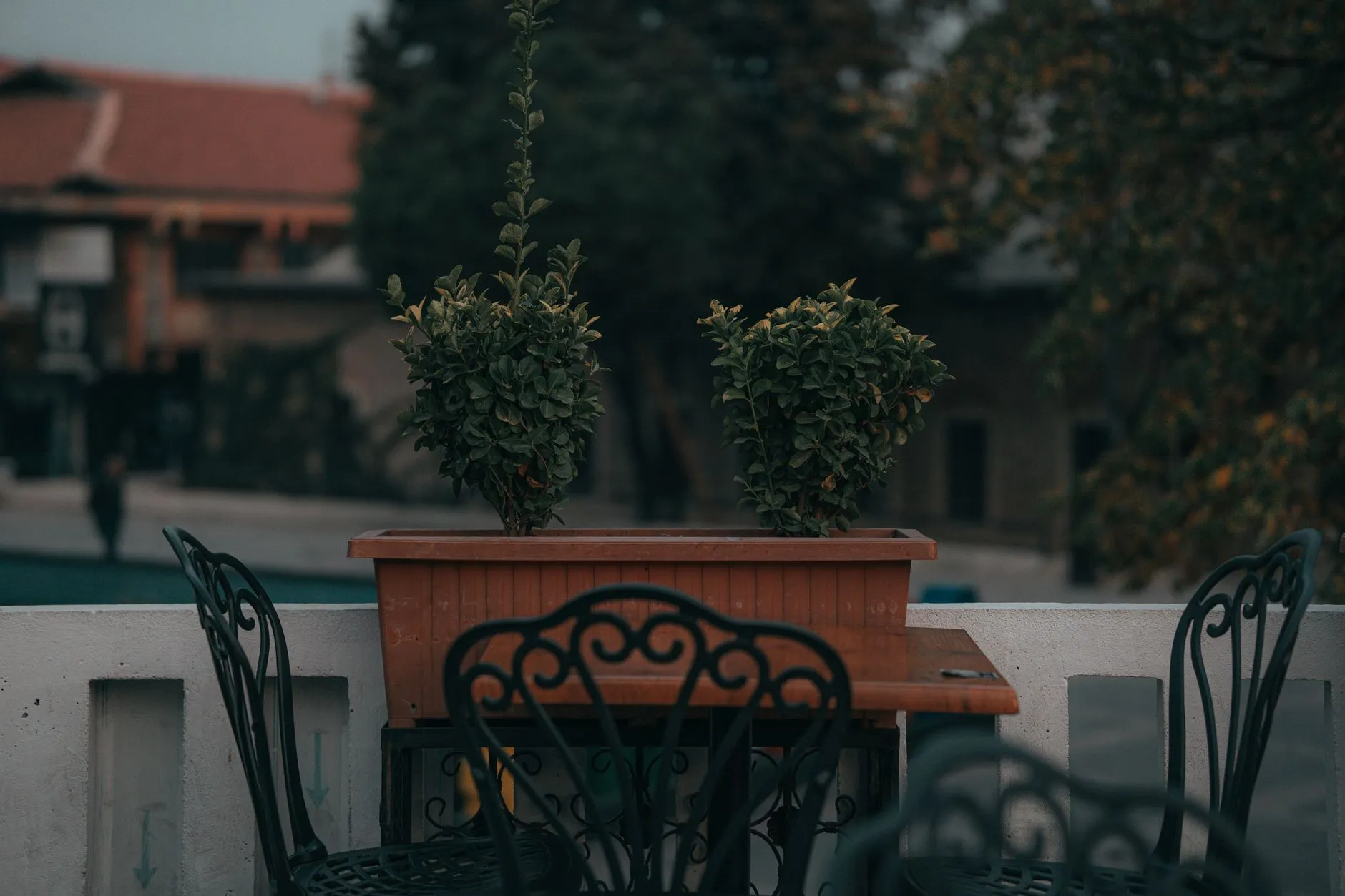
Small outdoor spaces fail for one of two reasons: furniture that’s too bulky for the footprint, or so little furniture the space feels unused. Here’s how to get the balance right.
Measure Before You Shop
Sketch your space and note fixed obstacles — railings, doors that swing outward, vents. Leave at least 30 inches of clear walking path around any furniture; anything tighter feels cramped even if the pieces themselves are small. Measure not just the floor footprint but also the height of any railings or walls, since furniture that blocks a view you actually want to enjoy defeats part of the purpose of the space in the first place. Bring your measurements with you when shopping, or better yet, mark out the dimensions with painter’s tape on the actual patio or balcony floor before buying — it’s a far more reliable gut check than picturing dimensions from a store floor or a product listing.
Choose Furniture That Does Double Duty
A storage bench seats two and hides cushions or gardening supplies. A bistro table with folding chairs can flatten against a wall when not in use. In small spaces, furniture that serves one purpose is a missed opportunity. A side table with a lower shelf, an ottoman that opens for storage, or a bench that doubles as a planter stand all pack more function into the same square footage than a single-purpose piece would.
Scale Matters More Than Style
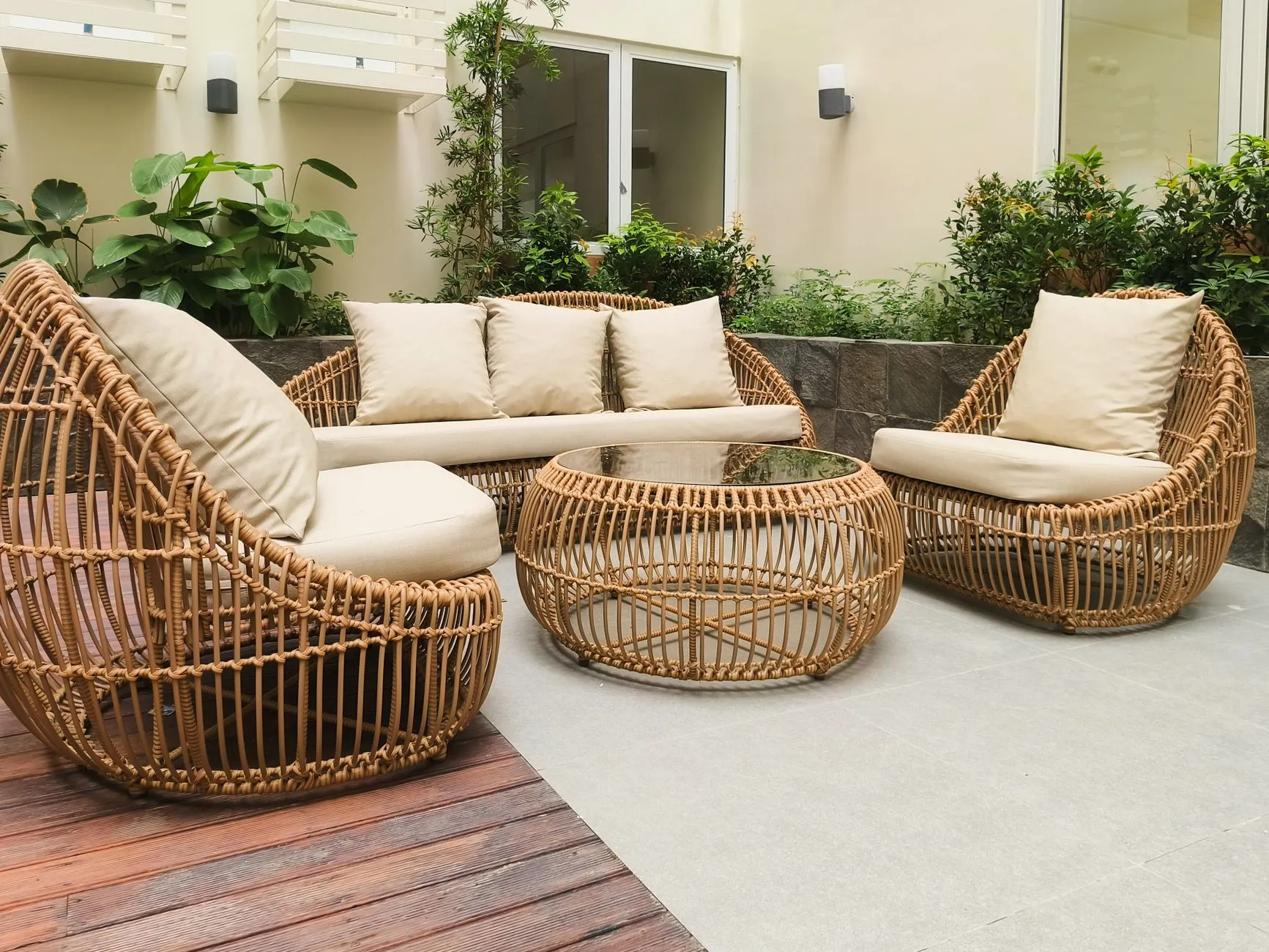
A single oversized sectional will dominate a small balcony no matter how nice it looks in a catalog photo. Two or three smaller, lighter pieces (a couple of chairs and a side table) usually make a tight space feel more open than one large piece. As a rough guide, furniture legs you can see through (open, slender designs rather than solid skirted bases) tend to make a small space feel less visually heavy, since sightlines carry further across the floor.
Material Considerations for Small, Exposed Spaces
- Rattan/wicker (synthetic resin): lightweight, weather-resistant, easy to move
- Metal (aluminum): durable and slim-profile, but can get hot in direct sun
- Wood: warm look, but needs more maintenance in exposed, rainy climates
- Concrete or heavy stone accents: visually striking for a single accent piece, but generally too heavy and bulky to be practical for more than one item on a small balcony
Color and Visual Tricks for Making a Space Feel Bigger
Lighter colors on both furniture and cushions generally read as more spacious than dark, heavy tones, which tend to visually shrink a small area. A cohesive color palette across just two or three tones (rather than a mismatched assortment) also helps a tight space feel more intentional and put-together rather than cluttered. Mirrors mounted on an adjacent wall, where practical for the space, are a classic trick for adding a sense of depth to a small patio or balcony, reflecting greenery or light back into the area.
Traffic Flow and Placement
Beyond the general 30-inch clearance guideline, think through how you’ll actually move through the space for common tasks — opening a door fully, watering plants, or simply walking to a railing to look out. Furniture placed directly in the path of a frequently used door or gate creates a daily friction point that’s easy to overlook while arranging things for looks alone. Pushing larger pieces against a wall or railing rather than floating them in the middle of the space almost always opens up more usable floor area in a small footprint.
Add Vertical Layers
Wall-mounted planters, hanging chairs, and railing-mounted shelves use space that floor furniture can’t. This is often the difference between a small patio that feels bare and one that feels intentionally designed. A vertical herb garden or a tiered plant stand adds greenery without eating into the floor space you need for seating, which is especially useful on a balcony where every square foot of floor area is limited.
Seasonal Storage and Weatherproofing
Small-space furniture often needs to do double duty as portable furniture too, since a tight balcony rarely has room for a dedicated storage shed. Look for pieces that stack, fold flat, or are light enough to bring indoors during harsh weather or the off-season, which also extends their lifespan considerably compared to furniture left exposed to rain, snow, or intense sun year-round. If storage indoors genuinely isn’t an option, breathable outdoor furniture covers (rather than fully sealed plastic ones, which can trap moisture and encourage mold) are worth the small investment for anything left outside through winter.
Light It Well
String lights or a couple of small solar lanterns make a tiny space feel finished in the evening — often more impactful per dollar than another piece of furniture. Layering a couple of light sources at different heights (string lights overhead, a small lantern at table height) tends to look more intentional than a single bright source, and it’s an easy, low-cost way to extend how much you actually use the space once the sun goes down.
Budget-Friendly Approaches
A small space is actually one of the easier situations to furnish well on a limited budget, simply because you need fewer pieces overall. Prioritizing spend on the one or two items you’ll use most — likely seating — while keeping accessories like planters and lighting more budget-conscious is a reasonable way to allocate a limited budget without the whole space feeling cheap. Secondhand or clearance furniture is also worth checking for small spaces specifically, since a slightly mismatched but well-scaled piece is often easier to make work in a tight footprint than in a larger, more visually demanding space.